Table of Contents
Why Your CTR Is High but Your Sales Are Low: A UGC Fix
Picture this. An e-commerce manager in Austin finally hits a winning ad. CTR jumps from 0.9% to 3.5%, traffic doubles, the media buyer is happy… and revenue barely moves. The dashboard looks amazing on top, but the bottom line is flat. If that feels a little too familiar, this article is for you.
High CTR and low sales is one of the most frustrating combos in performance marketing. You are paying for attention and getting it, but something breaks between the click and the credit card. With US ad costs climbing and creators charging more per video, you cannot afford “almost working” campaigns.
Key Takeaways:
- High CTR with low sales usually means a mismatch between your ad promise and the landing page or offer.
- Most “pretty” ads fail because they look like ads, not like real people solving real problems.
- Strategic UGC plus fast testing of hooks and angles can fix the click-to-sale gap.
- Tools like ViralBox help you produce and test more High-Converting UGC Ads without blowing up your content budget.

UGC Ad Dos and Don’ts When Your CTR Is High but Sales Are Low
✅ DO:
- ✅ Match the ad promise to the first screen of your landing page.
- ✅ Use UGC that clearly shows the product in use within 3 seconds.
- ✅ Test 3 to 5 hooks per concept with A/B Testing Content Hooks.
- ✅ Include price, offer, and key benefit before the 10 second mark.
- ✅ Use short, specific, spoken reviews instead of polished brand voice.
🚫 DON’T:
- 🚫 Rely only on pretty B-roll with no clear problem and solution.
- 🚫 Bury shipping costs or subscription terms on the checkout step.
- 🚫 Send all traffic to a generic homepage that does not match the ad.
- 🚫 Use the same fatigued ad creative for months without new angles.
- 🚫 Assume high CTR equals “winning” without checking ROAS and CPA.
📉 Listen up: your CTR tells you the hook is working. Your conversion rate tells you the story, offer, and proof are not strong enough yet.
The Real Reason Your CTR Is High but Your Sales Are Weak
1. Clicks Love Curiosity. Wallets Need Clarity.
High CTR usually means your hook is interesting. It does not mean people actually understand what you sell or why they should buy it now.
Here is what often happens:
- The ad opens with a strong pattern interrupt, like “I wish I knew this before I spent $500 on skincare.”
- People click because they want the secret, not because they are ready to buy cleanser.
- The landing page is a generic product grid with no clear tie to the “$500 mistake” story.
Result: cheap clicks, poor conversions, and a confused media buyer trying to “scale” something that is not actually working.
2. You Are Winning Attention, Not Trust
High CTR means your thumb-stopping moment is on point. But buyers in the US are more skeptical than ever. They are used to polished ads, influencer spawn-con, and filters on everything. They spot “ad energy” instantly and keep scrolling mentally, even if they do click.
Want to know a secret? The fix is not a better camera or more editing. It is more belief. That comes from:
- Realistic voice and pacing, not brand copy.
- Specific outcomes, not vague “this changed my life” claims.
- Visible product usage, not just lifestyle shots.
- Clear before and after, even if it is simple.
This is exactly where well-structured UGC outperforms your polished brand video.
3. Ad Promise and Landing Page Are Out of Sync
If your ad sells “finally sleep 8 hours without meds,” but your landing page leads with “premium memory foam pillow,” you just broke the story. The user clicked for relief from insomnia, not for a material spec sheet.
Common fractures that kill your conversions:
- Ad leads with a strong emotional benefit, page leads with generic features.
- Ad feels personal and first person, page feels corporate and cold.
- Ad implies a discount or bundle, page shows full price with no context.
Your ad and landing page should feel like part one and part two of the same conversation, told by the same “person.” UGC makes that much easier, because your ad can sound like a real customer and your page can echo that same language and visuals.
4. The Wrong Traffic Is Getting Excited
Sometimes your targeting is a little too broad. The hook hits, people click, but they were never a good prospect in the first place. You see high CTR and high bounce rates, or they reach the product page and bounce at the price.
Signals you might be attracting the wrong people:
- Lots of clicks from very young or very broad audiences for a premium product.
- High add to cart rate but low purchase rate because of price shock or shipping.
- Comments on your UGC like “I wish I could afford this, maybe one day.”
Strong UGC can qualify viewers better. Clear mentions of price range, ideal user, and real expectations will cut your CTR a bit, but your conversion rate and ROAS will thank you.
5. Your UGC Looks Like an Ad, Not a Story
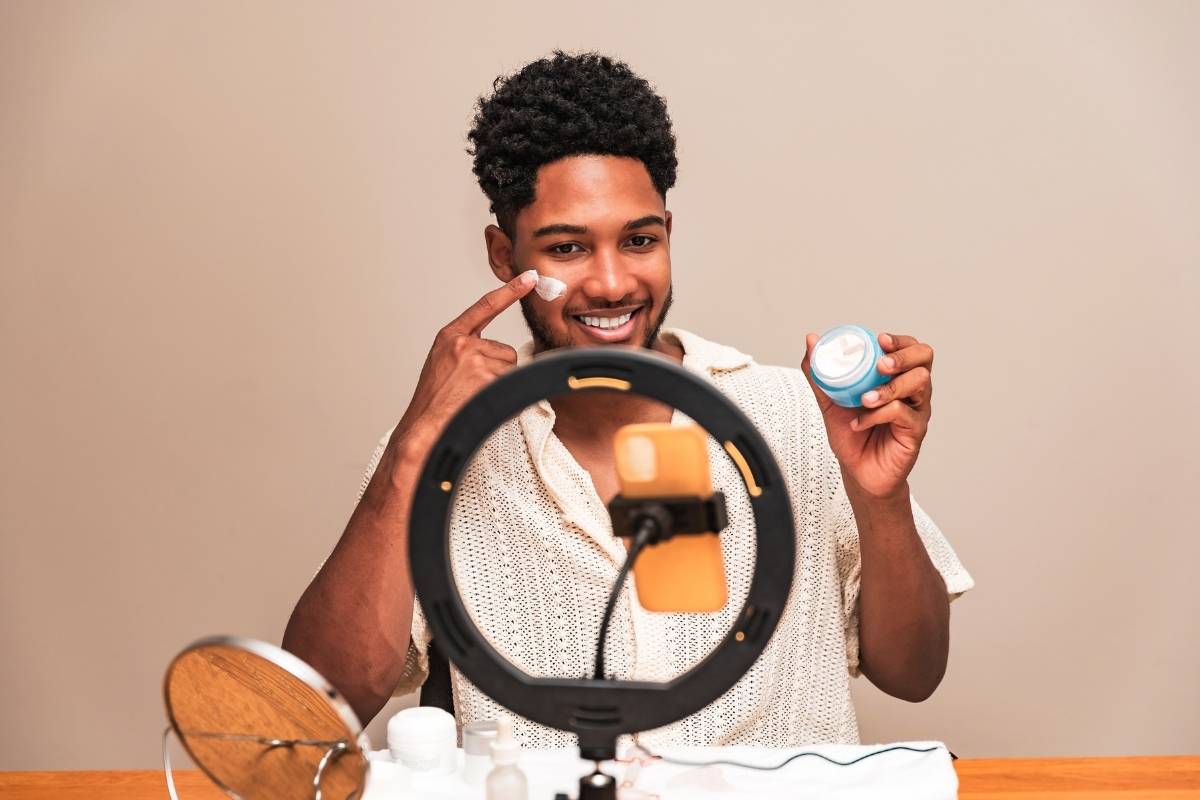
A lot of UGC right now is just “fake casual.” Same ring light, same scripted “You guys… I literally can’t.” Same music. Users know the pattern and mentally file it under “ad.”
What works better:
- Looser framing, not perfectly centered every time.
- Quick “real life” context at the start, like a bathroom mirror, car, or messy kitchen.
- Imperfections in speech, natural pauses, even a stumble or two.
- Very specific problems, not generic “busy mom” or “entrepreneur” clichés.
When viewers feel, “This sounds like someone I know,” your odds of converting clicks into real buyers go way up.
How To Turn High CTR Into Actual Sales With Smarter UGC
1. Fix the Ad to Landing Page Story Gap
Start by auditing one winning ad and the page it drives to. Ask yourself:
- Does the first headline on the page echo the key promise in the UGC clip?
- Does the first image show the product the same way as in the ad?
- Can a new visitor understand “what this is, who it is for, and why now” in 5 seconds?
Quick wins:
- Use a frame from your best UGC ad as hero image or background on the landing page.
- Turn key phrases from the video into headlines and short bullets.
- Embed the actual UGC at the top of the page, not buried below the fold.
2. Structure UGC Around Conversion, Not Just Vibes
Your best performing UGC will usually follow a simple conversion-focused structure:
- Hook (0 to 3 seconds) A sharp “call out” to the right person and problem.
- Problem (3 to 7 seconds) One specific pain point, in real language.
- Solution intro (7 to 12 seconds) “I tried X and here is what happened.” Product visually present.
- Proof (12 to 20 seconds) Quick demo, before and after, mini story, or quantified result.
- Offer and CTA (20 to 30 seconds) Price or deal clarity, urgency, and click instruction.
Most brands nail the hook and never clearly state the offer. That is where your clicks die. When you generate Authentic UGC Ad Scripts with a tool like ViralBox, you can bake this structure into every script, then let different “faces” and tones test which combo actually sells.
3. Use AI Avatars To Test Hooks Before Paying Creators
Creator UGC is powerful, but it is also slow and expensive to iterate. If you are paying per video, testing 10 hooks to find one winner can get painful fast.
Here is a sharper way to work:
- Draft multiple short scripts for the first 5 to 10 seconds, each with a different angle.
- Use AI Avatar Video Generation to produce several quick versions with virtual Virtual Spokespersons.
- Run these as low-budget tests to see which hook gives you the best CTR, view through, and add to cart rate.
- Once you have data on the winning angle, brief human creators to recreate that same hook in their own style.
You stop guessing and start scaling what actually works, instead of what “feels right” in your gut.
4. Turn Product Pages Into “Shoppable UGC” Hubs
If someone clicked from a UGC ad, they are primed to hear from people, not just your brand. Use that momentum.
Here are simple changes that move the needle:
- Place your strongest UGC clip or AI Avatar explainer above the product description.
- Pull one or two text reviews next to the “Add to Cart” button with real first names and specifics.
- Use short bullets that mimic how customers talk, not formal product copy.
- Include a mini FAQ section under the buy box to handle the top 3 objections that show up in comments.
If UGC helped drive the click, let UGC finish the sale.
5. Use Hook-Level A/B Testing Instead of Full Ad Guesswork
Most teams are still testing entire ads against each other. That is slow and confusing. You do not know whether the hook, the body, or the offer made the difference.
A better model is to lock 80 percent of the ad and systematically test hooks at the front. With ViralBox, A/B Testing Content Hooks and broader Hook Optimization is built into the workflow so you can:
- Spin up 5 hook variations using similar body and CTA.
- Review performance after a small spend to find the best thumb-stopper.
- Scale only the winners into longer campaigns and creator briefs.
Result: fewer failed bets, faster learning, and more confidence when you pour real budget into an angle.
6. Connect Your Catalog to One-Click UGC Video Production
If you are running an e-commerce brand with more than a handful of SKUs, manually briefing and producing a unique UGC video for each product is unrealistic. That is where connecting your catalog to your creative workflow changes everything.
Using ViralBox, you can link a Product Link to Video Ads and generate a One-Click Product Video concept that already knows your images, title, and benefits. That means:
- Faster “first draft” UGC or AI Avatar assets for new launches.
- Automatic visual consistency between your product page and your ad.
- Less back and forth with creators over simple product details.
When every product can quickly get a UGC-style explainer, you are no longer limited to one or two hero SKUs that hog all the creative attention.
7. Publish Everywhere With One Workflow
Click behavior is different on TikTok, Meta, and YouTube Shorts. But your process for finding angles and winning hooks can be centralized. With ViralBox, Content Distribution at Scale and smart Multi-Platform Publishing let you:
- Repurpose winning scripts into platform-specific versions with adjusted lengths and CTAs.
- Organize your creative library by hook, angle, and performance, not just by file name.
- Quickly roll winning ads from TikTok over to Reels or Shorts while that angle is still hot.
Instead of random uploads, you get a repeatable system that turns learnings into reach and reach into revenue.
Unlock Your Conversion Potential. Try ViralBox Today!
Your Move: Turn Curious Clickers Into Confident Buyers
If your ads are already pulling strong CTR, you are closer than you think. The market is raising its hand. The gap is not interest, it is trust, clarity, and consistency from first frame to checkout.
Dial in these pieces:
- Make your landing page feel like a natural continuation of your strongest UGC ad.
- Script UGC around one clear problem, one product, and one simple offer.
- Test hooks quickly with AI Avatars before you pay human creators to scale them.
- Use data on hooks and angles, not hunches, to decide what gets real budget.
If you are a marketer or owner juggling budgets, creative headaches, and rising CPAs, you do not need more random content. You need a repeatable way to turn honest, scrappy UGC into predictable sales. That is exactly what ViralBox is built to do.
Keep the ads that win the click, but upgrade the story that wins the sale.
Frequently Asked Questions (FAQ)
Why is my CTR high but my purchase conversion rate so low?
High CTR usually means your hook is strong, but your offer, landing page, or targeting is off. People click out of curiosity, then do not see a clear match between the promise in the ad and what they see on the page, so they bounce instead of buying.
How can UGC specifically help improve conversions, not just CTR?
Good UGC mirrors how real customers talk about your product. It builds trust by showing the product in use, naming specific outcomes, and sounding like a peer, not a brand script. When the same UGC story continues from ad to landing page, buyers feel more confident hitting “Add to Cart.”
Should I kill an ad with high CTR if it is not getting sales?
Do not kill it right away. First, fix the downstream experience. Align the landing page headline and visuals with the ad, clarify the offer, and handle top objections. If metrics do not improve after those changes, then test a new hook or angle.
How many UGC variations should I test per product?
A practical starting point is 3 to 5 hooks for one core script and 2 to 3 angles per product, such as “time saver,” “money saver,” or “emotional benefit.” With ViralBox you can quickly generate and test these variations without hiring a dozen new creators every month.
What is the advantage of AI Avatars compared to human creators?
AI Avatars are ideal for rapid testing of scripts, hooks, and angles. You can produce many short videos cheaply, see what resonates, then invest your budget into human creators to recreate only the proven winners in their own authentic style.
Can ViralBox integrate my product catalog for faster ad creation?
Yes. By connecting a Product Link to Video Ads, you can trigger a One-Click Product Video workflow that pulls in your product details and visuals. That lets you create tailored UGC-style or AI Avatar ads for each SKU much faster.
What metrics should I track to know if my UGC is actually working?
Watch CTR for hook performance, click to view content rate on your page, add to cart rate, checkout initiation, and final conversion rate. For paid traffic, also track CPA and ROAS. A strong UGC system improves not just CTR, but the full chain from first view to purchase.