

Table of Contents
UGC for Fashion Brands: AI-Generated Looks That Actually Convert
Rachel, an e-commerce manager for a mid-sized fashion brand in Los Angeles, has a problem. Her Meta ads used to crush it. Lately, her ROAS is sliding, her cost per purchase keeps creeping up, and half her “influencers” send late, off-brand content that never gets approved. She knows UGC works, but at this pace, she will never hit her targets.
If that feels familiar, you are not alone. US fashion brands are stuck between rising creator fees, content fatigue, and aggressive competition on TikTok, Instagram, and YouTube Shorts. The twist is that the best performers right now look like lo-fi UGC, but they are often carefully scripted and increasingly supported by AI.
In Short:
- Fashion brands win when they treat UGC as a performance channel, not a side project.
- AI-generated looks and virtual creators can fill the UGC gap without sacrificing authenticity.
- The first 3 seconds and the “reason to buy now” matter more than production quality.
- Tools like ViralBox help you create, test, and scale High-Converting UGC Ads at a fraction of typical creator costs.
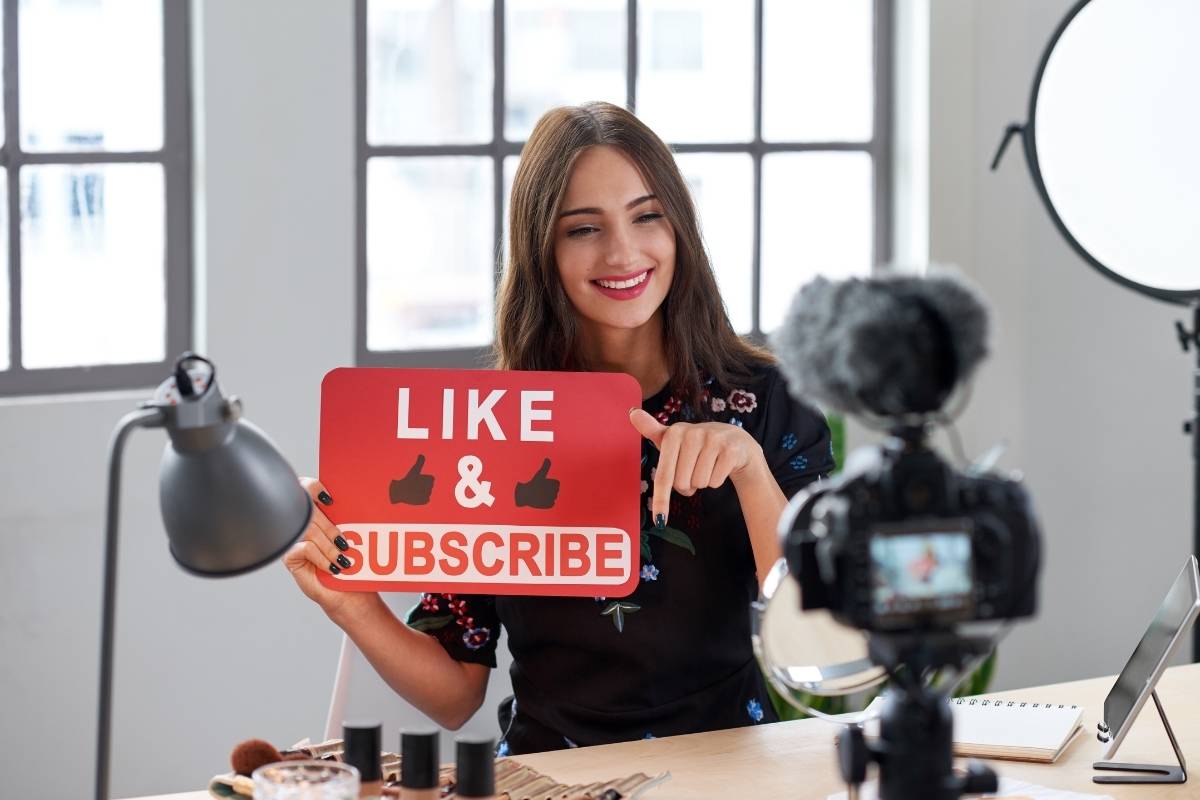
UGC Ads For Fashion Brands: Quick Dos & Don’ts
✅ Do:
- Use real-life scenarios and natural language, not stiff brand copy.
- Open with a scroll-stopping hook that calls out a specific fashion problem.
- Show outfits on diverse bodies and in real lighting, not just studio shots.
- Test multiple hooks and angles with A/B Testing Content Hooks to find your winner fast.
🚫 Don’t:
- Rely only on polished studio lookbooks for paid social.
- Use one “hero” video for months and hope it keeps working.
- Hide shipping times, returns, or sizing info that US shoppers care about.
- Ignore comments and signals that your creatives are fatiguing.
📉 Watch out for:
- High CPM plus falling CTR, which signals your UGC is blending in.
- Creative bottlenecks when you depend on a few influencers.
- Overly scripted voices that do not sound like real shoppers.
- One-size-fits-all messaging across TikTok, Reels, and Shorts.
Why Fashion UGC Is Failing And What It Costs You
Ad fatigue is killing your best creatives
Those “winning” TikTok and Meta ads you have been running for 60 days straight are quietly losing money. US shoppers are ruthless scrollers. Once they have seen the same try-on haul or “3 outfits I wore this week” ad a few times, they stop engaging, your CTR dips, and your CPM creeps up.
For fashion brands, this hurts more than most categories. You sell style, freshness, and identity. Stale ads clash with that story. When your content looks old, your brand does too.
Creator costs and logistics are slowing your growth
The standard workflow looks like this:
- Source creators on Instagram, TikTok, or creator marketplaces.
- Negotiate rates, send briefs, ship samples, chase approvals.
- Wait days or weeks, then find out the content does not match your hook or offer.
That might be fine for a few “brand” videos. It completely breaks once you try to run performance UGC at scale. You need dozens of variations per month, sometimes per week, and each needs a tight hook and a clear outcome.
Static lookbooks are not enough for paid social
Your studio photos and lookbooks might be perfect for your website and email, but they underperform on TikTok, Reels, and Shorts. Those feeds reward motion, personality, and story. Shoppers want to see how clothes move, stretch, wrinkle, and fit. They want to hear someone say, “I am 5’4", 160 lbs, wearing a medium.”
When you run static or polished model shots, you signal “ad” instantly. That is a scroll trigger, not a stop trigger.
One creative angle rarely fits every US shopper
Your audience is not one person. There is the 23-year-old stylist in New York trying to stand out on TikTok, the 35-year-old mom in Texas who wants comfortable, flattering jeans, and the 45-year-old professional in Chicago looking for elevated basics. Each needs different hooks, visuals, and proof.
Relying on one or two influencer videos limits your ability to speak to those segments. You end up with generic messaging that fits nobody particularly well.
Measurement gets fuzzy when UGC is random
Another big problem: most UGC is not structured for testing. You get a handful of creatives that vary in everything at once. The hook changes, the outfit changes, the environment changes, and the CTA changes. When one version wins, you do not actually know why.
That is where structured concepts, consistent A/B Testing Content Hooks, and AI-assisted variation can give you a real edge.
How To Use AI-Generated Looks To Power High-Converting UGC
Start with the offer and the shopper, not the “cool video”
Before you worry about AI avatars or virtual try-ons, lock in three things:
- Who is this video for, in one sentence?
- What is the single promise or outcome?
- Why now instead of waiting or buying from a competitor?
For example: “Busy moms who want jeans that actually fit and do not lose their shape by 3 p.m.” That clarity drives your hook, script, and visuals.
Use AI to generate consistent, on-brand “faces” for your fashion
Here is where tools like AI Avatar Video Generation come in. Virtual Spokespersons let you:
- Test different demographics and styles without recruiting new creators every week.
- Stay on-brand with lighting, tone, and framing, while still looking like native UGC.
- Quickly respond to seasonal drops or promo events with fresh creatives in hours.
Think of them as your always-available “house creators” who can model outfits, talk about fit, and walk through a try-on script on command.
Script like a human, then scale like a machine
Want to know a secret? The best-performing “lo-fi” UGC ads are usually tightly scripted. They are just written to sound like a real person talking to a friend. That is exactly what Authentic UGC Ad Scripts inside ViralBox are built for.
A simple, high-performing structure for fashion UGC:
- Hook (0 to 3 seconds): “If you are short with a belly, stop buying jeans like this.”
- Problem (3 to 7 seconds): “Every pair I bought either gaped at the waist or strangled my thighs.”
- Discovery (7 to 15 seconds): “Then I found these high-rise stretch jeans from [Brand].”
- Proof (15 to 23 seconds): Show front/side/back, sit test, squat test, try different tops.
- CTA (23 to 30 seconds): “They are 20 percent off right now. Size up if you are between sizes.”
With Ad Script Generation, you can turn that core structure into 10, 20, or 50 variations aimed at different segments or pain points without starting from scratch each time.
Turn your product catalog into a content engine
The biggest missed opportunity for fashion brands is not connecting their inventory directly to their content pipeline. Instead of manually briefing creators on every SKU, use a workflow where your product catalog feeds your ads directly.
ViralBox lets you connect your items so you can go from a simple Product Link to Video Ads to a One-Click Product Video. That means:
- Select “Black Sculpting Skinny Jeans, SKU 1234”.
- Pick a proven script template, for example “First-impression try-on”.
- Assign a virtual spokesperson or creator look that fits your target demo.
- Generate multiple try-on clips and hook variations in one flow.
Listen up: this is how you keep your ads synced with what is actually in stock and moving, not what looked nice in last season’s shoot.
Obsess over the hook: test, test, test
The difference between a losing UGC ad and a winner is often the first 3 seconds. Same outfit, same creator, same body type. Only the opening line and framing change.
Some hook patterns that work well for US fashion shoppers:
- “If you are [body type / style], stop scrolling.”
- “What this jeans brand does for thick thighs should be illegal.”
- “I am 5’1". Here is what actually fits me from [Brand].”
- “I wore this dress to three events and nobody noticed it was the same one.”
Use Hook Optimization inside ViralBox to spin up variations of those hooks and run clear A/B tests. Same script, same visual flow, only the hook changes. After a few days, you keep the winners and retire the losers, then repeat.
Mix AI and real customers for believable social proof
AI-generated looks should not replace your real customers; they should amplify them. Here is a strong mix for fashion brands:
- AI avatar “explainer” or “styling tips” videos for consistency and control.
- Real customer reviews and photos surfaced in carousels or cut into the AI videos.
- UGC-style clips where a virtual spokesperson reads an actual review or DM on screen.
This combo keeps performance high while grounding your message in real-world proof.
Publish everywhere your buyers hang out, without burning your team
Once you have your winning UGC and AI-powered creatives, you need to get them everywhere fast. That used to mean manual uploads, resizing, and copy-paste work for each platform.
With Content Distribution at Scale and Multi-Platform Publishing, you can centralize creatives, schedule and publish variants for TikTok, Instagram Reels, Facebook, and YouTube Shorts from one place. Adjust aspect ratios, captions, and CTAs for each platform, but keep your core message consistent.
Unlock Your Conversion Potential. Try ViralBox Today!
Your Move: Stop Guessing And Start Treating UGC Like a System
If you run a fashion brand or manage campaigns for one, your biggest advantage is not one influencer with a big audience. It is a repeatable system that turns products into concepts, concepts into creatives, and creatives into learnings, week after week.
AI-generated looks and virtual creators are not about faking authenticity. They are about removing bottlenecks so you can communicate clearly, test faster, and show more shoppers what your clothes actually do for people like them.
Start with one product line, build three to five scripted UGC concepts, spin up AI-powered variations, and test hooks aggressively. Once you see which angle drops your CPA, scale it across platforms and SKUs. Your future self, and your ad account, will be very grateful.
Frequently Asked Questions (FAQ)
Will AI-generated UGC look fake to my audience?
If you use stiff scripts and overly polished visuals, yes, it can. If you use natural language, real-world scenarios, and mix in genuine reviews and screenshots, AI-generated looks blend in very well with native UGC. The key is to match the tone and pacing of the platform you are publishing on.
Can AI avatars replace human creators for fashion brands?
They should not fully replace humans. AI avatars are best used for scalable, repeatable content like try-ons, fit explainers, or promo announcements. Human creators and customers are still valuable for deeper storytelling, brand building, and long-form content. The sweet spot is using both.
How many UGC creatives do I need per month to avoid ad fatigue?
For most fashion brands spending consistently on Meta and TikTok, aim for at least 15 to 30 new variations per month. That includes new hooks, angles, or offers built on a smaller set of proven scripts. Heavy spenders often need more. AI tools help you hit those volumes without burning out your team or budget.
Is ViralBox only for AI avatars, or can I use it with real creators too?
You can use ViralBox for both. The platform shines when you combine AI Avatar Video Generation with structured UGC concepts that human creators can follow. You can script, brief, and test content from real creators while also generating virtual spokesperson versions for rapid iteration.
How do I measure if my UGC ads are actually converting better?
Track CTR, cost per add to cart, and cost per purchase side by side for your UGC ads versus your traditional creatives. Run clean A/B tests where one variable changes at a time, often the hook. If your UGC plus AI-powered variations deliver lower CPA and stable ROAS over a few weeks, you are on the right track.
What platforms do ViralBox-powered UGC ads work best on for fashion?
Most fashion brands see strong results on TikTok, Instagram Reels, and Facebook Feed or Reels. YouTube Shorts is increasingly important, especially for younger audiences. ViralBox is built to help you adapt creatives for these short-form placements while keeping your core message aligned.