

Table of Contents
High-Ticket E-commerce: Using UGC to Sell Products Over $1000
Jamie, an e-commerce manager for a luxury fitness brand, stared at the ad dashboard at 11:47 pm. The $1,900 treadmill looked amazing in studio shots, but the numbers were brutal: high CPMs, weak click-through, and almost no purchases. The problem was not the product. The problem was trust.
If you sell anything over $1,000 in the US, you already know the pain. Traditional polished ads feel like “ads”. Real creators are expensive and slow. And buyers who are about to spend four figures want something more than nice B-roll and a discount code. They want proof, relatability, and confidence that this is not another overhyped product.
This is where modern UGC, AI-driven video, and tools like ViralBox quietly flip the script.
In Short:
- High-ticket shoppers need more trust, proof, and reassurance than low-ticket buyers, so generic ads do not cut it.
- Strategic UGC can slash CAC for products over $1,000 by handling objections, risk, and social proof in a believable way.
- AI-powered tools like ViralBox help you create High-Converting UGC Ads at scale without waiting on creators.
- The winning combo is simple: targeted hooks, objection-crushing scripts, and systematic testing across platforms.
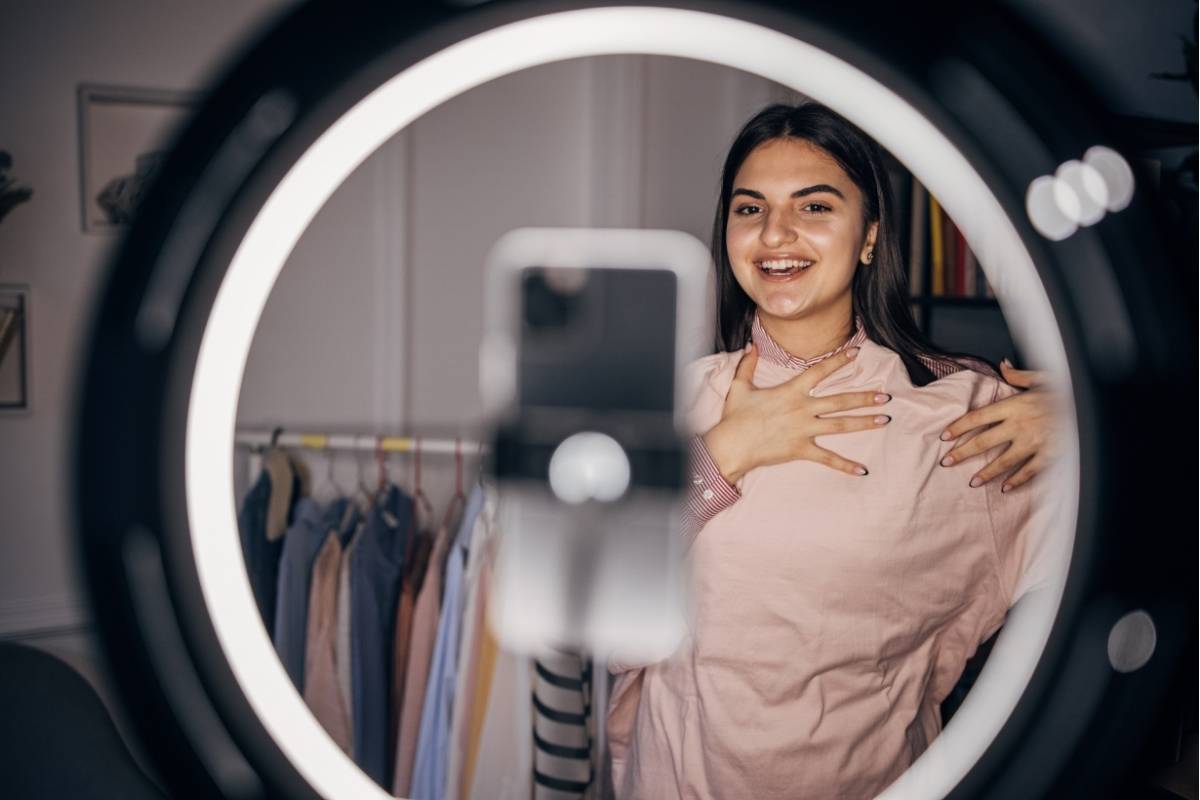
UGC For High-Ticket Products: Quick Dos & Don’ts
✅ Do
- Show real use in real homes, gyms, offices, or garages.
- Feature clear “before and after” transformations.
- Use scripts that answer “Is this worth $1,000+ for me?”
- Test multiple hooks with A/B Testing Content Hooks.
🚫 Don’t
- Rely only on glossy studio shots and product spins.
- Hide the price or feel “salesy” and vague.
- Ignore objections like shipping, assembly, or warranty.
- Run one hero ad instead of rapid testing variations.
📊 High-Ticket UGC Checklist
- 1 trust-building story in first 5 seconds.
- 2 to 3 specific benefits, not buzzwords.
- 1 clear social proof element (review or result).
- 1 low-friction CTA, like “See it in your space”.
Why High-Ticket Products Need UGC More Than Anything Else
The stakes are higher when the price tag starts with a 1, 2, or 3
When someone spends $29, they take a small risk. When they spend $1,499, they are asking totally different questions:
- “Will this actually fit into my life, or will it collect dust?”
- “Is this brand legit or will support disappear after I buy?”
- “What happens if something breaks or I hate it?”
On platforms like Meta and TikTok in the US, CPMs are climbing and attention is shrinking. If your ad feels generic or too polished, people skip instantly. The result is predictable: low CTR, rising CPA, and a ton of “added to cart, never purchased”.
Why polished ads fail while raw UGC wins for high-ticket
High-ticket buyers do not just want “content”. They want believable people reflecting their exact situation. When they see a real person say, “I was nervous to spend $1,800 on this massage chair, but here is what happened after 30 days”, curiosity kicks in and the wall of skepticism drops.
That is why smart brands are building systems for story-based UGC instead of only relying on glossy product videos. They are using creator-style content and even AI Avatar Video Generation to behave like a scaled army of virtual reviewers and product experts, all tailored to different audiences.
Real-world problems you probably recognize
- Low CTR on expensive items: People scroll past anything that screams “ad”. High-ticket ads need a hook rooted in a real pain point: “I used to hate my office chair by 2 pm, here is what changed”.
- High CPA from weak trust: You can drive clicks with shock value, but if you do not answer “Is this brand safe?” and “Will this really work for me?”, purchases stall.
- Ad fatigue after 30 days: That “one killer video” that finally works eventually dies. Without constant fresh UGC variations, your ROAS sinks as frequency climbs.
- Creator bottlenecks: Managing 10 different creators, contracts, product shipments, and re-shoots quickly becomes a full-time role.
Listen up: the brands scaling high-ticket offers profitably are not always the ones with the best product. They are the ones with a repeatable process to turn objections and doubts into believable, short-form UGC ads, then test them aggressively.
The Playbook: Using UGC And ViralBox To Sell Products Over $1,000
Step 1: Start with the “$1,000 hesitation” list
Before you write a single script, list every reason a rational US buyer would hesitate:
- “What if I do not like it?”
- “Shipping and returns sound like a nightmare.”
- “Assembly looks complicated.”
- “Support will ghost me after I buy.”
- “I can probably find a cheaper version somewhere else.”
Each of these deserves its own UGC video. Instead of a generic “This treadmill is great”, you want content like “I was dreading assembling this, here is how long it actually took and what surprised me”.
Step 2: Turn objections into UGC scripts that feel human
You do not need Hollywood copywriting. You need short, punchy, believable lines. This is where tools like Authentic UGC Ad Scripts come in handy.
A simple structure for high-ticket UGC:
- Hook (first 2 to 3 seconds): Call out the situation and the price tension.
Example: “Spending almost $2k on a home sauna sounded insane, until week 3.” - Relatable context: One line about their life or pain.
“I used to spend that on random spa days that never lasted.” - Shift moment: What changed their mind.
“Once I saw how easy it was to set up and how much I used it, the price actually felt cheap.” - Concrete proof: Specific, measurable detail.
“In 30 days, I used it 24 times and stopped booking spa visits.” - Soft CTA: Not pushy, just an invite.
“If you have been considering it, at least check the specs and warranty.”
With ViralBox you can generate Ad Script Generation variants around each core objection, then assign them to different virtual spokespersons or creators to match your target personas.
Step 3: Use AI avatars as your “always-on” virtual sales team
Real creators are great, but they are not always predictable or scalable. Brands are pairing a handful of strong human creator videos with a large volume of AI avatar content using Virtual Spokespersons.
Practical ways to use AI avatars for high-ticket:
- Explainer clips that walk through warranty, financing, and returns in simple language.
- “Side-by-side” comparison videos between your product and the cheaper alternative people are considering.
- Localized versions for different US regions or demographics without reshooting everything.
Want to know a secret? Most buyers do not care if it is an actor or an avatar. They care if the message feels relevant and honest and if it answers the real questions in their head.
Step 4: Turn product pages into videos with one click
One reason high-ticket ads fail is that the creative team and the product page live in different worlds. The ad promises one thing, the landing page emphasizes another.
With tools like Product Link to Video Ads, you can pull your product details directly into video concepts. That means the same key benefits, customer reviews, and specs that convert on your site can be baked into your short-form videos.
Want to highlight free white-glove delivery and assembly for a $2,500 couch? Your One-Click Product Video can open with a casual “Yep, they carried it into my living room and set the whole thing up in under 20 minutes”.
Step 5: Ruthless hook testing to beat ad fatigue
For high-ticket, the hook is not just about pattern interruption. It is about immediately signaling “I am you” and “I understand your risk”. That is where Hook Optimization and A/B Testing Content Hooks become your secret weapon.
Examples of hooks to test on the same $1,800 product:
- “I almost returned this $1,800 bike after week one. Here is why I did not.”
- “I made my first payment yesterday and I am oddly excited about it.”
- “Everyone told me this was a dumb way to spend $1,800. They were wrong.”
- “You do not need this, but here is why I am glad I bought it.”
Keep the middle and end of the video the same. Let the hooks fight it out. Kill the losers. Scale the winners.
Step 6: Publish everywhere your buyer hangs out
High-ticket decisions are rarely made in a single session. Someone might see your ad on TikTok, Google you later, then finally convert after a YouTube Short or Instagram Reel.
That is why Content Distribution at Scale and Multi-Platform Publishing are not “nice to have”. They are how you keep consistent, persuasive stories in front of warm prospects across platforms without burning your team out.
- Turn one winning testimonial into formats for TikTok, Reels, Shorts, and even Stories.
- Tag each variation by angle (price, quality, convenience, lifestyle) so you can spot patterns in dashboard data.
- Retarget viewers with deeper-dive UGC that addresses the next layer of objections.
Unlock Your Conversion Potential. Try ViralBox Today!
Your Move: Turn Skeptical Shoppers Into Confident Buyers
If you sell a $20 product, you can often get away with clever creative and a good offer. If you sell a $2,000 product, you are in the trust and reassurance business. Every UGC video is a mini sales conversation that either calms a fear or leaves it untouched.
The brands winning high-ticket e-commerce right now are not magically better at storytelling. They just stopped guessing. They use systems to generate scripts, test hooks, scale video output, and keep fresh, believable content in rotation every week.
You do not need to rebuild your marketing from scratch. Start with one product over $1,000, list the top five objections, and build five UGC videos that attack each one directly. Once you see CPA drop on that item, you will know exactly how to roll the approach out across the rest of your catalog.
If you are tired of feeling hostage to one or two “hero ads” and constantly rising costs, you are not alone. The tools now exist to give you a steady stream of high-converting UGC without burning out your team or your budget. It is your call whether you treat that as a nice idea, or your next competitive advantage.
Frequently Asked Questions (FAQ)
What are the best high-ticket niches?
Some of the strongest high-ticket niches for e-commerce and dropshipping are fitness equipment, outdoor gear, premium furniture, high-end electronics, specialty pet care items, luxury fashion, and quality kitchen equipment. These categories combine strong demand with higher perceived value, which makes them ideal for UGC that shows real-world use and long-term benefits.
Is high-ticket dropshipping still profitable?
Yes, high-ticket dropshipping can still be very profitable if you treat it like a real business instead of a quick hack. Customers spending four figures want quality, reliability, and reassurance. If you build genuine relationships with suppliers, focus on fast and reliable fulfillment, and use UGC to prove value and reduce risk, the margins on high-ticket items can be excellent.
What are examples of high-ticket items?
High-ticket or “big-ticket” items are products with much higher prices and margins than typical catalog products. Classic examples are houses and cars, but in e-commerce this also includes luxury sofas, smart fitness machines, electric bikes, home saunas, advanced cameras, designer fashion, and premium appliances. Anything that requires more research and trust before purchase falls into this category.