Table of Contents
Beyond Prompting: Why Autonomous Creative Workflows Are Replacing Media Buyers
Picture this. Jenna, an e-commerce manager in Austin, is staring at her Meta Ads dashboard at 11:47 PM. ROAS is sliding, CPMs are up, and her “top performing” creative stopped working two weeks ago. Her agency keeps asking for “more budget to test” but sends her the same style of ad with a slightly different headline.
She is not losing because her targeting is bad. She is losing because her creative machine is too slow, too expensive, and too human-dependent to keep up.
If that hits a little too close to home, keep reading. Media buying as a job is getting hollowed out, and the center of gravity is shifting toward autonomous creative workflows that launch, test, and optimize content with almost no manual babysitting. This is exactly where tools like ViralBox live.
Key Takeaways:
- Ad platforms are automating targeting, which means creative is now your main competitive advantage.
- Manual “prompting” and classic media buying cannot keep up with the volume of creatives you need to avoid fatigue.
- Autonomous creative workflows use AI to plan, script, produce, and iterate UGC-style ads with minimal human touch.
- ViralBox helps you turn product links into testable ads, generate AI avatars, and run A/B testing on hooks without hiring a big team.

Autonomous Creative vs Old-School Media Buying (Quick Snapshot)
✅ Autonomous Creative Workflows
- Auto-generate dozens of hooks and UGC variations per week
- Built-in A/B Testing Content Hooks for fast decisions
- Uses AI Avatar Video Generation to avoid creator delays
- Connects product link to One-Click Product Video production
🚫 Traditional Media Buyer Workflow
- Manual briefs, back-and-forth with creators, long approvals
- 3 to 5 new creatives a month instead of 30+
- Relies on guesswork and “gut feel” for hooks
- High fees on top of rising CPMs and production costs
Listen up: Platforms are automating targeting. The brands that win are the ones that automate creative, not just bidding.
Why Media Buyers Are Getting Replaced By Creative Systems, Not People
1. The Platforms Already Do 80% Of What Media Buyers Used To Do
If you run ads in the US, you already see it. Advantage+ on Meta. Performance Max on Google. TikTok’s Smart Performance Campaigns. Targeting and bidding are increasingly “set it and forget it”.
So what is left that actually moves the needle?
- The first 3 seconds of your video.
- The angle and script you use.
- The offer, proof, and call to action.
In other words, creative. That is exactly why viral hooks and scroll-stopping openings suddenly became the real battleground.
When the platform auto-optimizes delivery, a media buyer pushing buttons all day starts to look redundant. A creative engine that can pump out and test 50 angles a week does not.
2. Ad Fatigue Is Killing Profits Faster Than You Can Brief Creators
Want to know a secret? For a lot of US e-commerce brands, the ads “stop working” not because the product is bad, but because the same three creatives ran for six weeks straight.
Signs you are getting crushed by fatigue:
- CTR trending down even though targeting did not change.
- CPAs creeping up day by day.
- You keep hearing “this used to be our best creative”.
If any of that sounds familiar, you will want to read this piece on 5 signs your ad creative is fatigue-prone.
Traditional workflows cannot keep up. Booking creators, sending products, waiting for edits, then finally getting 2 or 3 videos a month is not a strategy. It is a slow-motion leak in your P&L.
Autonomous creative workflows solve this by treating creative like inventory. You produce, test, and rotate it continuously, not twice a quarter.
3. Prompting Alone Is Not A Workflow
Typing “write me a great TikTok ad” into a random AI tool is not a creative system. That is like asking a stranger at a bar for business advice.
A workflow is different. It looks more like this:
- Pull product info from your store.
- Generate multiple Authentic UGC Ad Scripts with different angles (problem-aware, solution-aware, “TikTok made me buy it”, etc.).
- Turn those scripts into AI Avatar Video Generation assets or UGC-style videos.
- Auto-create 10 openings for A/B Testing Content Hooks.
- Deploy, read the data, then automatically generate the next batch based on winners.
That is what “autonomous” actually means here. It is not a fancy prompt. It is a loop that feeds on performance data and keeps building new assets without a lot of human friction.
4. Creative Is Now The Biggest Line Item On Your CAC
Creators in the US are not cheap. Production agencies are even more expensive. When you add media buyer retainers on top, your CAC has to work extra hard just to break even.
But here is the kicker, most of that spend is not on distribution anymore. It is on making content over and over again.
Autonomous workflows flip that:
- You invest once in setting up the system.
- You use AI avatars and templates to replace most of the repetitive creator work.
- You reserve human creators for only your highest-performing angles and hero campaigns.
So instead of a media buyer and three agencies draining your budget, you have a compact, data-driven creative engine that eats fatigue for breakfast.
5. UGC-Style Beats High Production, So “Perfect” Is Now A Liability
If you have not tested it yet, go read why lo-fi content is outperforming high-production ads on TikTok. The short version: polished is suspicious, phone-shot feels real.
That is great news for automation, because AI can imitate “real person” content surprisingly well when you give it the right scripts and structure. You do not need Hollywood, you need believable, performance-driven UGC that feels native to the feed.
Autonomous creative workflows are perfectly suited for that style. Quick, rough, hook-driven, and disposable. Exactly what the algorithm rewards.
How To Build An Autonomous Creative Workflow With ViralBox
Step 1: Connect Your Product, Turn It Into Testable Videos
Your product page is already a brief. It has photos, benefits, and social proof. An autonomous system should pull from that instead of making you rewrite everything from scratch every time.
With ViralBox, you can plug a Product Link to Video Ads. The platform turns that link into a structured asset, then generates concepts and scenes around it. You go from URL to One-Click Product Video that is ready for TikTok, Reels, and Shorts in minutes.
That means no more “waiting on the creative team”. Your store becomes a direct pipeline into your ad account.
Step 2: Generate Scripted UGC, Not Random AI Copy
Listen up. The difference between content that looks like UGC and content that actually converts like UGC is structure.
High performers usually follow a pattern:
- Pattern interrupt in the first 1 to 3 seconds.
- Relatable problem story.
- Moment of discovery.
- Demonstration, proof, or surprise benefit.
- Clear, direct call to action.
ViralBox focuses on Authentic UGC Ad Scripts instead of generic ad copy. You can spin out multiple variations of that same proven structure for different personas or hooks. That is what turns random AI content into predictable performance UGC.
If you are wondering whether AI content can actually sell, you will want to read this breakdown on AI UGC vs real creators.
Step 3: Use AI Avatars To Replace 80% Of Your “Talking Head” Needs
Not every ad needs a creator with a following. In fact, most winning ads look like a regular person talking to their phone about a product that solved a specific problem.
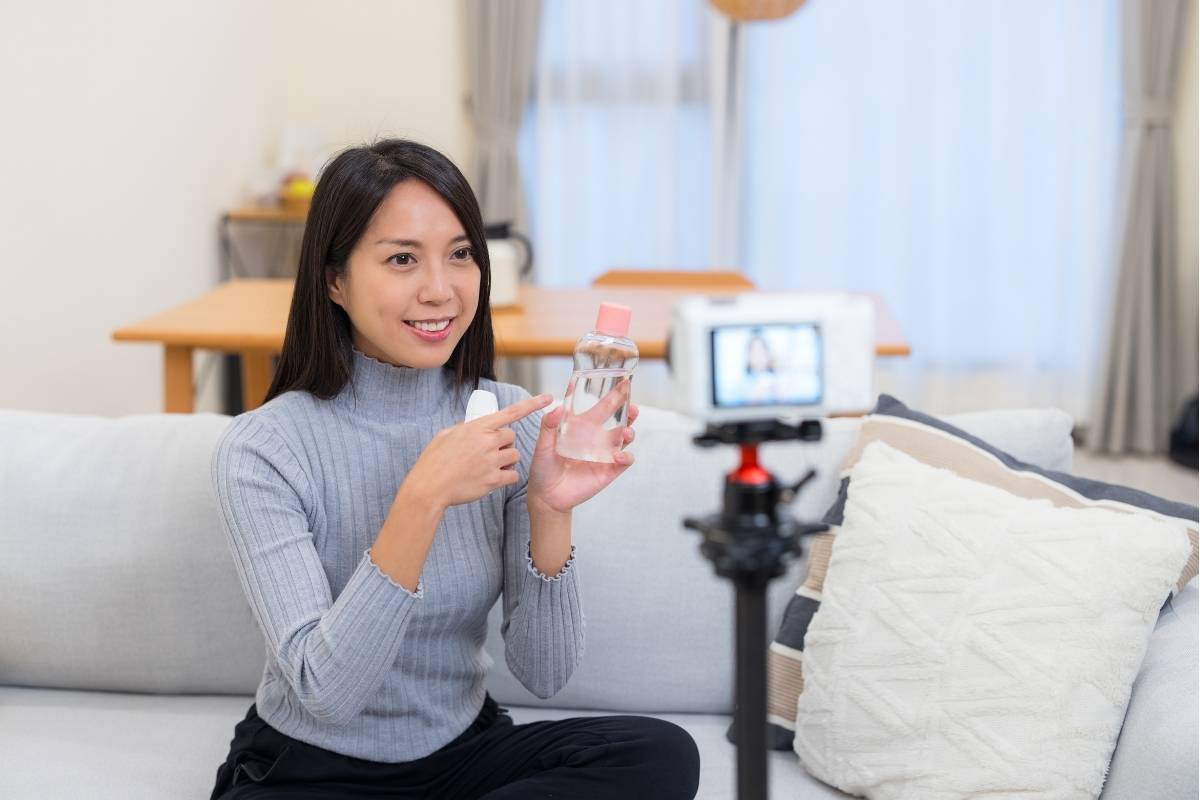
That is exactly where AI Avatar Video Generation shines. You can spin up Virtual Spokespersons that match your target demographics, accents, and tone, without booking or managing a single human.
Use avatars for:
- Explainer style ads.
- Comparisons and “why this vs that” breakdowns.
- Offer-focused retargeting videos.
- FAQ or objection-handling creatives.
Then keep human creators for hero UGC campaigns where personality and deep storytelling matter more.
Step 4: Turn Hooks Into A Scientific Process, Not Guesswork
Did you know that changing just the first 3 seconds can swing your CTR by 30 to 50 percent without touching the rest of the video?
Most brands still treat hooks like “whatever the editor feels is catchy”. An autonomous workflow bakes testing into the process.
ViralBox helps you spin out multiple openings around the same core video using A/B Testing Content Hooks and Hook Optimization. Think of it like this:
- Hook A: “Stop wasting money on skincare that does nothing.”
- Hook B: “Dermatologist reacts to your Sephora routine.”
- Hook C: “This $29 serum did more than my $200 facial.”
You do not guess which one is best, the data tells you. The system then prioritizes the winners and generates more variations in that direction. That is the “autonomous” part.
Step 5: Distribute Creatives Everywhere Without Extra Work
Once you have a creative engine running, the bottleneck becomes publishing. Logging into ten accounts, reformatting ratios, resizing titles, and tracking performance platform by platform is a time sink.
ViralBox is built for Content Distribution at Scale. With Multi-Platform Publishing, you can push winning High-Converting UGC Ads into Meta, TikTok, and YouTube with consistent naming and asset organization.
That matters more than it sounds. Brands that can deploy fast, test faster, and retire losers quickly tend to run circles around those stuck in email-thread approvals.
Step 6: Use Media Buyers For Strategy, Not For Pushing Buttons
Here is the part that might sting. Media buyers are not useless. They are just misused.
Instead of paying someone to create 50 variations by hand and tweak bids all day, you can have them:
- Decide which angles and offers to prioritize.
- Interpret the performance data your creative system produces.
- Coordinate with brand, product, and lifecycle teams.
The repetitive work gets automated. The strategic thinking stays human. Everyone does what they are actually good at.
Unlock Your Conversion Potential. Try ViralBox Today!
Your Move: Turn Your Brand Into A Creative Machine
Here is the honest truth. The days when you could “hire a media buyer and chill” are over. Platforms already handle most of what you used to pay them for. The brands that win the next few years are the ones that treat creative like an always-on system, not a one-off project.
You do not need a bigger team. You need a faster, smarter workflow that turns product links into testable UGC, spins up avatars on demand, and keeps feeding platforms with new hooks before fatigue sets in.
If you are a marketer, agency, or founder in the US who feels like you are working harder for worse results, you are not crazy. The rules changed. You just have an opportunity now to rebuild your stack around autonomous creative instead of manual media buying.
Start small if you need to. Pick one product, one angle, and let a system like ViralBox carry the heavy lifting. Once you see how quickly you can produce and test, it gets very hard to go back to briefs, delays, and three creatives a month.
Frequently Asked Questions (FAQ)
Are autonomous creative workflows going to replace human media buyers completely?
Probably not. What they are replacing is the low-value, repetitive part of the job, like building endless variations by hand and micromanaging bids. Human media buyers will shift toward strategy, offer testing, and cross-channel planning, while systems handle production, hooks, and a lot of execution.
Is AI-generated UGC really as effective as content from real creators?
When you follow proven UGC structures and keep it lo-fi, AI content can perform at the same level or better for prospecting and retargeting. The key is scripting, hooks, and native feel, not celebrity status. Many brands now blend AI UGC with a few key human creators to get the best of both worlds.
How many creatives do I actually need to avoid ad fatigue?
For most e-commerce brands spending meaningfully in the US, a good baseline is at least 5 to 10 new creatives per week per main offer, plus ongoing hook variations. If that sounds impossible with your current workflow, that is exactly why automation matters.
Can I use ViralBox if I do not have a big budget?
Yes. ViralBox is built to remove the need for expensive studios and large creator rosters. Smaller brands often see the biggest relative gain because they finally get a consistent flow of creatives without hiring a full team or an agency.
Will AI avatars feel fake or “uncanny” to my audience?
If you try to make them look like Hollywood CGI, yes. If you use them in short, UGC-style, talking-head formats with natural scripts and angles, most viewers just process them as another person on their feed. The key is to keep them simple, direct, and focused on the product story.
What platforms work best with autonomous creative workflows?
Short-form video platforms like TikTok, Instagram Reels, Facebook Feed, and YouTube Shorts benefit the most. They reward volume, freshness, and strong hooks, which is exactly what autonomous systems produce. You can still repurpose for other placements, but performance is usually strongest where UGC-style content is native.
How fast can I see results after switching to an autonomous creative process?
If you are already running paid traffic, you can usually see a difference in CTR and CPA within one or two testing cycles, typically 1 to 3 weeks. The bigger impact shows up over a few months as you build a library of proven angles and hooks that you can keep recycling and refreshing.