Table of Contents
The Best Lighting and Setup for Professional-Looking AI UGC
Picture this. An e‑commerce manager in Austin boots up ViralBox, spins up a few AI avatars for a new product launch, hits preview, and feels that sinking feeling. The script is solid, the offer is strong, but the videos look flat, cheap, and “AI obvious”. Same thing happens to a content creator in Brooklyn trying to batch UGC-style clips at home. The framing is off, the lighting is harsh, and everything feels more like a webcam test than a paid ad.
That gap between “this looks kind of AI/cheap” and “this looks like real, polished UGC” is usually not about the tool. It is about lighting and setup. In the US ad market where CPMs keep creeping up and creative fatigue hits fast, the brands winning on TikTok, Reels, and Shorts are the ones that make AI and UGC look genuinely native, not like a template.
In Short:
- Good lighting and a simple, consistent setup make AI UGC look like real creator content, which boosts CTR and trust.
- Natural light, a mid-range ring light, and a clean background beat expensive studio gear for most UGC-style ads.
- Framing, distance from the camera, and small props impact performance as much as your script or offer.
- Pair solid lighting with tools like AI Avatar Video Generation and script testing to scale high-converting UGC at a fraction of creator costs.
UGC Lighting & Setup: Quick Dos and Don’ts
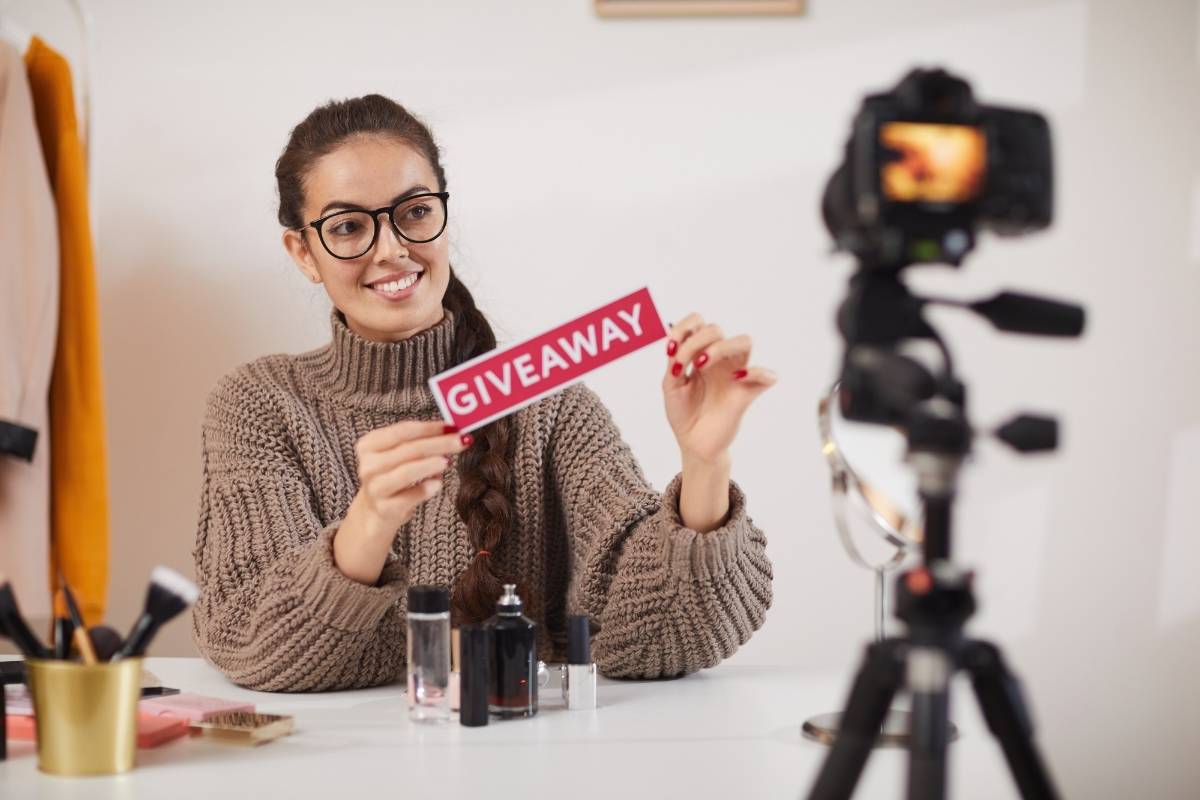
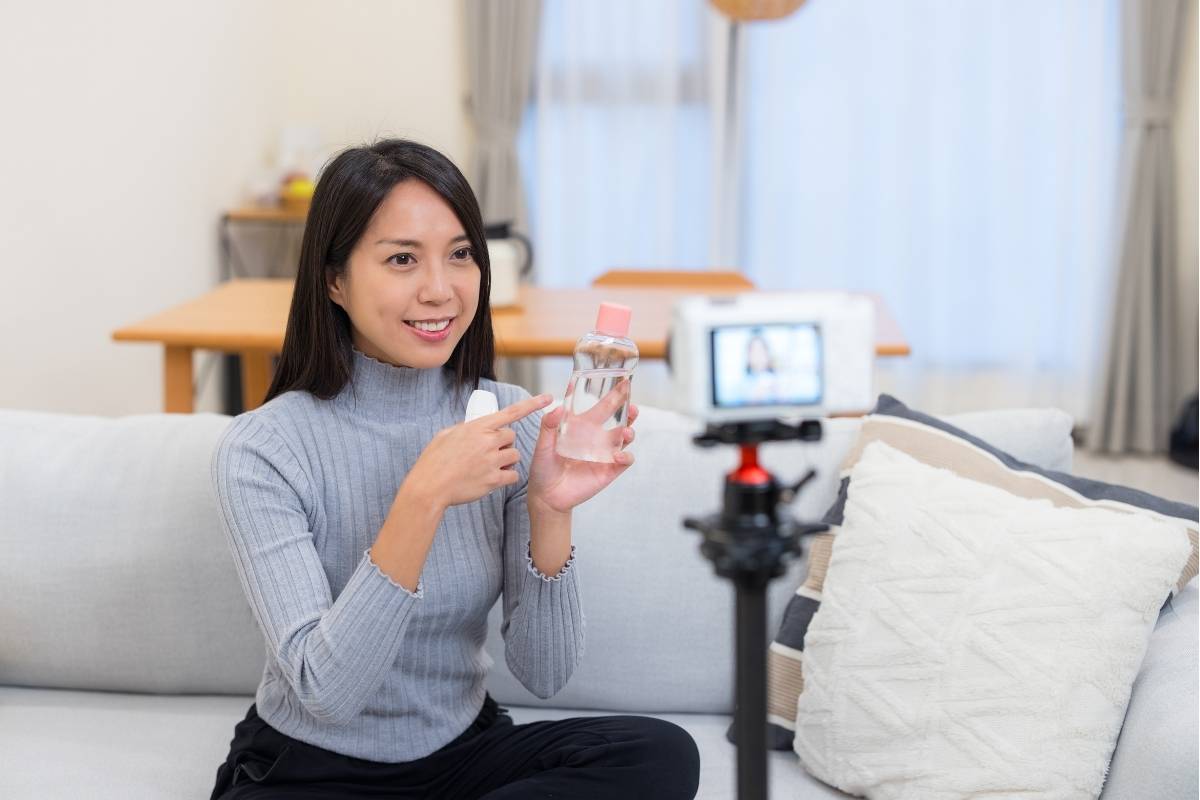
✅ Do This
✅ Face a window or soft light source, never sit with it behind you.
✅ Use a tripod or stable stand for your phone or webcam.
✅ Keep the background simple, bright, and on-brand.
✅ Match color temperature across lights so skin tones look natural.
✅ Shoot at eye level or slightly above for flattering angles.
🚫 Avoid This
🚫 Overhead office lighting that creates harsh shadows.
🚫 Busy backgrounds with piles of boxes, cords, or mess.
🚫 Mixing warm yellow lamps with cool blue LED panels.
🚫 Sitting too far away so your face and product are tiny.
🚫 Super wide horizontal framing for vertical-first platforms.
🛡️ Treat your lighting and setup like a “conversion asset”.
📉 Poor visuals make even the best offer and script underperform, especially in paid traffic.
Why Lighting and Setup Decide Whether Your AI UGC Prints Money or Burns Budget
Bad lighting screams “cheap ad” before your hook even lands
Most US users scroll in seconds. They do not analyze your creative, they feel it. When your AI avatar or creator sits in dim light with a grainy, flat look, it triggers the same reaction people have to old infomercials or early Zoom calls. They scroll.
This hits your metrics where it hurts:
- Lower CTR because your first frame does not stop the scroll.
- Higher CPA since you are paying to show ads nobody trusts.
- Faster ad fatigue since people mentally group your brand with low-effort dropship ads.
Want to know a secret? The AI model, the script, even the product are often fine. What is broken is the way the face and product are lit in the first 3 seconds.
Good lighting makes AI avatars feel human and UGC feel real
When you combine a solid script with flattering soft light and natural framing, your AI or UGC assets start to feel like genuine creator content. Viewers subconsciously read that as “this looks like someone I could follow on TikTok” instead of “this is a cheap ad trying to sell me something”.
That is where platforms like High-Converting UGC Ads shine. If you feed the system good creative direction, the AI avatar output fits seamlessly into the native feed environment. The lighting and setup choices you make for your templates can carry across hundreds of variants.
Why US marketers cannot ignore the setup piece
Here is the kicker. You can have incredible Authentic UGC Ad Scripts, dialed targeting, and the right offer, but you will still lose to a competitor who nails the basics of:
- Where the “creator” is sitting.
- How close they are to the camera.
- How their face and product are lit.
- What small background details say about your brand.
Think of lighting and setup as your baseline. Once that is right, tools like A/B Testing Content Hooks can do the real work of lowering CPA since you are not wasting spend on obviously low-quality visuals.
How to Nail Lighting for Professional-Looking AI UGC
1. Natural light: the easiest “instant upgrade”
For any UGC-style shoot (even reference shots you upload into your workflow), natural light is your best friend.
- Face the window, do not sit with it behind you or to the side. The window should be your key light.
- Shoot during golden hours whenever possible. Early morning or late afternoon gives that soft, flattering look.
- Diffuse harsh sun with a sheer curtain, white sheet, or frosted film if it is too intense.
If your AI avatar scenes are designed to mimic this, you want references and style guides that say “bright, soft, daylight vibe”, not “dark moody studio”. That single choice changes how trustworthy the ad feels on TikTok, Meta, and YouTube Shorts.
2. Ring light or softbox: your best low-cost upgrade
Listen up: if you are a US ecommerce brand or agency creating content weekly, a $40 to $120 ring light pays for itself fast.
For influencers and brands alike, a ring light can be a game changer for balancing exposure and color temperature. It gives that even, front-facing light that flattens out small skin imperfections and keeps eyes bright.
Quick guidelines:
- Size: 12–18 inches is usually ideal for face + product framing.
- Placement: Position the ring light slightly above eye level and centered, or a bit off-center for more dimension.
- Brightness: Keep it bright enough to avoid grainy footage but not so strong that you blow out highlights.
- Color temperature: Aim for 5000–5600K (daylight) to match natural light and look clean across devices.
You can apply the same logic to your AI scenes by specifying a soft, front-facing key light and daylight white balance when you brief your Virtual Spokespersons or designers.
3. Avoid the office ceiling light trap
Standard US office lighting is a disaster for UGC. Those overhead fluorescent or LED panels make people look tired, older, and washed out. They create deep shadows under the eyes and chin.
If you are shooting in an office:
- Turn off or dim overheads if possible.
- Bring in a lamp or panel light at face level in front of the subject.
- Position the subject away from the direct overhead pools of light.
When your AI avatar is meant to represent a “real person at work”, think soft, directional side light or window light, not pure overhead glare.
4. Match color temperatures so nothing looks “off”
When you mix warm orange lamps with cool blue LEDs, skin tones go weird and everything feels cheap. Your eye might not always catch it during the shoot, but audiences feel that inconsistency in the feed.
To keep things clean:
- Use one primary light temperature in a scene, ideally daylight balanced.
- If you combine lights, adjust them so they sit in the same range (around 5000K).
- Set your camera or phone to a fixed white balance if possible, instead of auto, to prevent constant shifts.
Give the same directive in your AI or video briefs. “Neutral daylight, skin tones true to life, no mixed lighting” should be part of your standard creative spec.
Camera Position, Framing, and Background: The Rest of the Setup
1. Frame like a short-form creator, not like a laptop webcam
Most of your AI UGC will run vertical on TikTok, Reels, and Shorts, so build your setup around that.
- Orientation: Always shoot vertical if you are capturing source footage. Build AI scenes and avatars for 9:16 framing.
- Cropping: Aim for a medium or medium-close shot. Chest up, with some headroom, so expressions are clear.
- Eye level: Place the camera at eye level or slightly above, never below the chin looking up.
This positioning translates perfectly to AI avatars. When the face fills a good portion of the frame, your script, hook, and product messaging land harder.
2. Keep your background clean but not clinical
Backgrounds are silent brand copy. A chaotic, messy room signals “low effort”. A sterile white void can feel too corporate for UGC.
Try this:
- Use a simple wall with a few props (plant, shelf, lamp, product packaging) to add context.
- Keep colors aligned with your brand or product category. Bright, warm backgrounds work well for beauty and lifestyle. Cooler, more minimal backgrounds suit tech and productivity.
- Remove distractions. No random laundry piles, tangled cables, or unrelated posters.
For AI avatars, define a “home base” background style that feels like your typical customer’s space, then re-use it across creatives. It keeps your brand recognizable without feeling like stock footage.
3. Distance from camera and product clarity
If the creator or avatar is too far away, viewers cannot see expressions, and the product gets lost. Too close, and it feels uncomfortable.
- Keep the camera about 2–4 feet from the subject for talking head content.
- When showcasing a product, stage a quick cut or close-up where the product fills most of the frame.
- Make sure the product is lit as well as the face, not lost in shadow.
In your creative guidelines for Product Link to Video Ads, call this out explicitly. “Show product close-up within first 5 seconds, brightly lit, no shadows, text readable.”
4. Audio still matters, even if the visuals are AI
Even with AI-generated voices or overdubbed UGC, your physical environment matters when you record any live elements or scratch tracks.
- Use a quiet room with soft furnishings that reduce echo.
- Avoid big empty conference rooms or kitchens with tile floors.
- Consider a simple clip-on mic or USB mic if you record human voices at all.
Viewers rarely forgive bad audio. Clean sound plus clean visuals can make AI-based ads feel as “premium” as your top creator-driven ones.
Turning Good Lighting into Scalable AI UGC with ViralBox
From one well-lit template to hundreds of high-performing variants
Here is where things get fun. Once you lock in a strong lighting and setup template, you can run it through tools like ViralBox to produce a whole family of creatives without re-shooting every week.
Practical workflow for a US ecommerce brand:
- Define your “hero” setup. Bright, daylight look, medium shot, simple background, clear product positioning.
- Use Ad Script Generation to create multiple UGC-style scripts around different angles. Social proof, pain point, before and after, objection handling.
- Generate multiple AI Avatar Video Generation variants using that same visual setup. Change the avatar demographics, tone, or delivery speed without touching the lighting.
- Launch and track performance, then use Hook Optimization to iterate on the first 3 seconds of each version.
Because your baseline setup is already polished, every variation feels like a new piece of high-quality UGC, not a random AI export.
Lower ad costs by removing production bottlenecks
The old model is simple. Brief creators, wait for shoots, hope they get the lighting and framing right, then pay for revisions if they do not. It is slow, inconsistent, and pricey.
With a solid template and ViralBox, you flip that around:
- You control the look and feel upfront, so everything feels on-brand.
- You scale creators and avatars inside the platform instead of your payroll.
- You test a lot more ideas for the same or lower production cost.
The result is a constant stream of High-Converting UGC Ads that look consistently polished in the feed while still feeling personal and native.
Content distribution that respects platform realities
Good lighting and framing are only fully rewarded if you match each platform’s format and viewing habits. Short, punchy, vertical-first content drives most of the ROAS right now in the US.
With tools for Content Distribution at Scale and Multi-Platform Publishing, you can push your best-performing, well-lit creatives into Meta, TikTok, and YouTube Shorts with minimal rework. No more manually exporting twenty slightly different files for each placement.
Unlock Your Conversion Potential. Try ViralBox Today!
Your Move: Turn “Decent” AI UGC Into Scroll-Stopping Ads
If you are a marketer or founder in the US, you are probably juggling too much already. It is tempting to treat lighting and setup as a minor detail and hope the AI will make up for it. That mindset is exactly what keeps good products stuck behind mediocre creative.
You do not need a Hollywood studio. You need one repeatable, well-lit setup and a system to spin that into dozens of believable, native-feeling creatives. That is where pairing smart lighting basics with ViralBox pays off. You handle the human side, the angles, the light, and the story. ViralBox handles the volume, the testing, and the scale.
If you are tired of seeing “almost good” ads underperform in your dashboards, start with the most fixable variables in your control. Face the light, clean up the frame, define your visual template, then let AI do what it is good at, which is repetition and speed. Your future self, staring at lower CPAs and stronger CTRs, will be glad you did.
Frequently Asked Questions (FAQ)
What is the best lighting for UGC?
Natural light is often the best starting point for UGC. Sit facing a window so the light hits your face evenly, and aim to record during golden hours, shortly after sunrise or before sunset, when the light is soft and warm. If the sun is harsh, diffuse it with a sheer curtain or white sheet. When natural light is not available, use a daylight-balanced ring light or softbox placed slightly above eye level in front of you to mimic that same soft, flattering effect.
What lighting is best for influencers?
For influencers across beauty, fashion, food, tech, or lifestyle, a mid-size ring light is usually the most practical solution. It balances exposure, keeps skin tones even, and makes eyes pop, all while being simple to set up in small spaces. Place it close to the camera at or just above eye level, set it to a daylight color temperature (around 5000–5600K), and keep brightness high enough to avoid noise without washing out your features. Many creators pair a ring light with a bit of natural window light for an even more natural, high-end look.
What is the best AI tool for UGC ads?
Different tools solve different parts of the UGC ad puzzle. Platforms like HeyGen focus on AI avatar generation from scripts, which is helpful for quick, lifelike talking-head videos. If your goal is to build and scale a full performance creative system around AI UGC, including script generation, virtual spokespersons, hook testing, and multi-platform deployment, ViralBox is built specifically for ecommerce brands and marketers who want to reduce production costs and push out large volumes of high-converting, UGC-style ads at scale.