Table of Contents
How to Use ViralBox to Create Shoppable Videos That Don’t Look Like Ads
Jess, an e‑commerce manager for a mid-sized skincare brand, has a problem. Her Meta ads used to print money, but now CPAs are climbing, CTR is tanking, and every new video her agency sends looks like, well, another ad people instantly scroll past. She keeps hearing “Just do more UGC,” but hiring creators every week is blowing up her budget.
If that feels familiar, you are exactly who this guide is for. Shoppable video is one of the strongest levers you have in the US market, but the second your content feels like an ad, people swipe. The good news is you can use ViralBox to create high-converting, shoppable videos that look like organic content, not a hard sell.
In Short:
- People ignore anything that looks like a polished ad, but they watch and buy from content that feels native, casual, and useful.
- ViralBox lets you turn product pages into shoppable UGC-style videos quickly using scripts, AI avatars, and structured hooks.
- The trick is to design “non-ad” story formats, then attach product links in a way that feels natural, not pushy.
- With smart A/B Testing Content Hooks and native-style visuals, you can drop CPA and scale content output without burning your audience or your budget.

UGC Shoppable Video: Dos & Don’ts
✅ Do This
✅ Open with a real problem or emotion in the first 2 seconds.
✅ Use casual language, “I” and “you”, like a friend recommending something.
✅ Show the product in use, not floating in a graphic.
✅ Make the “shop” moment feel like a tip, not a demand to buy.
✅ Test 3–5 hooks per concept using Hook Optimization.
🚫 Avoid This
🚫 Starting with logos, slogans, or “Introducing our new…”
🚫 Overlays that scream “SALE” and “BUY NOW” everywhere.
🚫 Over-produced transitions that do not match TikTok or Reels style.
🚫 Long videos without a clear story or transformation.
🚫 Only one version of a video running for weeks, causing ad fatigue.
Why Shoppable Videos Fail When They Look Like Ads
Ad fatigue is real, creator costs are painful, and your audience is tired
US users are hit with hundreds of ads a day across TikTok, Meta, YouTube, and retail media networks. Their thumb has a built-in filter for anything that looks like a polished commercial. The second your content triggers that “this is an ad” alarm, your CTR drops and your CPM becomes a donation.
Traditional “shoppable” formats, like clean studio footage with bold overlays and animated buttons, work on brand decks, not on a For You Page. What works in feed looks like:
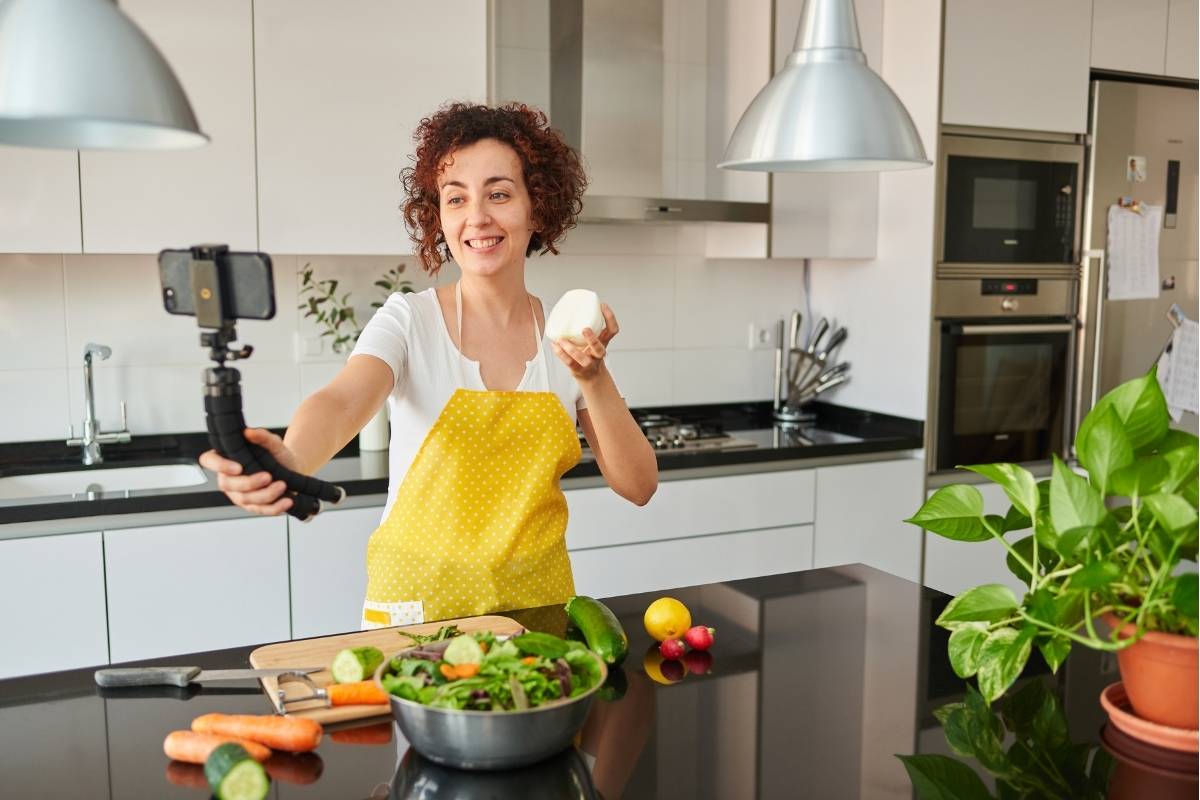
- A person at home testing something on their own face, desk, pantry, or car.
- Quick cuts and handheld energy instead of smooth camera moves.
- Honest commentary, light humor, and even mild skepticism.
When this authentic style is combined with an easy way to tap and buy, you get the best of both worlds: organic-feeling content and direct response performance. The hard part has always been producing enough of it.
The production bottleneck that keeps brands stuck
If you are trying to scale UGC manually, this is usually where things break:
- You pay creators for several videos each month, but testing new hooks is slow and expensive.
- Your best-performing concepts fatigue, and cloning them takes weeks.
- Editing shoppable versions for different platforms eats your team’s time.
By the time you get your next batch of creatives, CPMs have shifted, trends have moved on, and that “perfect” ad is already stale.
This is the hole ViralBox fills. It gives you Authentic UGC Ad Scripts, AI Avatar Video Generation that feels like a real person talking, and a fast way to plug product links into videos so you can ship 10 or 20 shoppable variations instead of 2.
What “shoppable” should mean for your brand
Shoppable content should feel like this:
- A friend showing you how they solved a problem, with a casual “If you want the link, it’s right here.”
- A creator walking through a mini routine, tagging the exact product they are using.
- A quick “before and after”, plus a tap target for people who want details.
If people watch it even if they are not actively shopping, you are doing it right. You are building brand equity while still driving direct sales.
Step‑By‑Step: Using ViralBox To Make Shoppable Videos That Feel Native
1. Start from the shopper’s moment, not from your product
Before you open ViralBox, decide which “moment” your video will live in. Examples:
- “Getting ready for a Zoom call” for a skincare or apparel brand.
- “5 minute pantry upgrade” for a kitchen or food product.
- “My Sunday reset” for home goods or cleaning products.
Write that moment at the top of your brief. Everything you do in ViralBox should feel like someone filming that moment on their phone, with your product casually showing up as the solution.
2. Use ViralBox’s UGC-style script structure instead of ad copy
Inside the platform, lean on Ad Script Generation templates that are already proven for short-form UGC. Focus on these beats:
- Pattern interrupt (0–2 seconds): A surprising or specific line like “I hated how my sink looked on Zoom until I tried this.”
- Relatable context (2–6 seconds): “I work from home in a tiny apartment, so everything is on camera.”
- Product in action (6–15 seconds): Show the product being used, with quick, tight shots.
- Outcome and micro-proof (15–22 seconds): “This took 30 seconds and honestly looks way more put together.”
- Soft CTA with shop moment (22–30 seconds): “I’ll tag the exact one I bought, it should pop up on your screen.”
Notice this feels like a story, not a brand announcement. ViralBox helps you quickly spin up several script variations around that same structure without needing a copywriter for every version.
3. Pick your “person” wisely with AI avatars or UGC creators
Here is where Virtual Spokespersons shine. You can choose AI avatars that match your target demographic and style, or blend AI with uploaded creator footage.
Think about:
- Demographic match: Does this “person” look and sound like your buyer or someone your buyer would trust?
- Platform fit: For TikTok, go younger and looser. For YouTube Shorts, slightly more polished is fine.
- Energy level: High-energy for impulse products, calmer for higher-consideration items.
Use natural, conversational delivery when you configure voice and pacing. Avoid brand jargon. You want “I found this thing that…” not “Our innovative solution…”
4. Turn product pages into shoppable scenes
When you connect your product or upload assets, you can create a Product Link to Video Ads flow that feels like a friend casually sharing a link.
Best practices for how the “shop” part shows up visually:
- Use simple, native-style CTA overlays like “Tap to see details” or “Linked here.”
- Time the overlay to appear as the product is clearly on screen.
- Keep your branding minimal, maybe a logo in the corner, not filling half the frame.
- On TikTok/Reels, let the face or the action be the star, and treat the link as a bonus.
The goal is for someone to think “I want that exact thing” and then their eyes naturally find the tag or button, without feeling pressured.
5. Build fast variations with hook-focused A/B tests
Here is where you save real money. Use ViralBox for structured A/B Testing Content Hooks. Keep the core story, visuals, and shoppable element the same, but change only:
- The first line.
- The first shot.
- The emotion you lead with (pain vs. desire vs. curiosity).
Examples for the same cleaning product video:
- Hook A: “This took me 30 seconds and my landlord is obsessed with me now.”
- Hook B: “I cannot be the only one embarrassed by their kitchen sink on video calls.”
- Hook C: “I tested that viral cleaning hack so you do not have to.”
Launch them side-by-side, then keep the best performer and kill the others quickly. That is how you tune into what really makes your audience stop scrolling.
6. Make it feel native to each platform at the export stage
Use ViralBox’s Content Distribution at Scale workflow so you do not just repost the same creative blindly everywhere.
Adjust per channel:
- TikTok: Vertical full-screen, snappy, trend-aware audio, stronger personality, shorter length.
- Instagram Reels: Slightly cleaner look, maybe more aesthetic shots, similar energy to TikTok.
- YouTube Shorts: Can handle tiny bit more explanation, but keep the hook sharp.
Each version should still feel like someone filmed it for that platform on purpose, not like a repurposed banner ad.
7. Tag your “wins” and build a library of non-ad-looking templates
Once you have a few videos that hit lower CPA or higher CTR than your usual creatives, tag them as “winners” in your stack. Treat them as reusable templates.
Then, whenever you launch a new product or offer, you simply:
- Swap the product visuals.
- Tweak the problem statement to match the new use case.
- Update the soft CTA but keep the same structure and energy.
Over time this becomes your brand’s private library of High-Converting UGC Ads formats that do not look like ads, ready to launch on demand.
Unlock Your Conversion Potential. Try ViralBox Today!
Your Move: Stop Blending In With Every Other Ad
The battle is not about who can shout the loudest. It is about who can look and sound most like the content people already love watching, while quietly making it easy to buy.
If you use ViralBox only to crank out more “ads”, you will not get far. If you use it to build small, believable stories where the product is the natural answer, and then attach smart shoppable moments, you will see the difference in your click-throughs and your blended CAC.
As a marketer or owner, your time is limited. Let the platform handle the repetitive production work so you can focus on what actually moves revenue: better hooks, better offers, and a constant stream of videos that your audience does not immediately swipe past.
Frequently Asked Questions (FAQ)
How do I create effective demonstration videos?
Think of demo videos as guided mini-tours of your product. Start by defining your objective, like onboarding new users or increasing conversions on a product page. Know who you are talking to, then plan a tight script and simple storyboard. Keep it concise, ideally under 2 minutes for most e‑commerce use cases. Highlight only the key features that matter to the user, and show the product in action from clear angles. Support everything with easy-to-follow visuals or screen captures, and use a clean, professional voiceover that explains what is happening without overloading viewers with jargon.
What software is best for promo videos?
It depends on your skill level and workflow. For advanced editors, Adobe Premiere Pro, Final Cut Pro, Sony Vegas Pro, and DaVinci Resolve are strong options. For simpler, faster workflows, tools like iMovie or Filmora can be enough. If you want something built specifically for marketing teams, where script generation, AI avatars, and variations are the focus, pairing a traditional editor with a creative engine like ViralBox gives you both flexibility and speed for promo and UGC-style ad content.
How can I create non-skippable YouTube ads that people actually watch?
Non-skippable ads still live or die by their first seconds. In Google Ads, set up a YouTube & partners line item, choose “Brand awareness and reach” as the objective, and pick a non-skippable reach subtype, like 15-second placements. From the creative side, build ads that feel like short, self-contained stories rather than compressed TV spots. Use a strong visual hook immediately, keep pacing fast, and focus on one clear message. Close with your brand and a simple next step, but do not cram in every product benefit just because viewers cannot skip. The more it feels like an entertaining clip, the less it feels like a forced interruption.