Table of Contents
How AI-to-Video Is Quietly Rewriting the Creator Economy (And Your Ad Account)
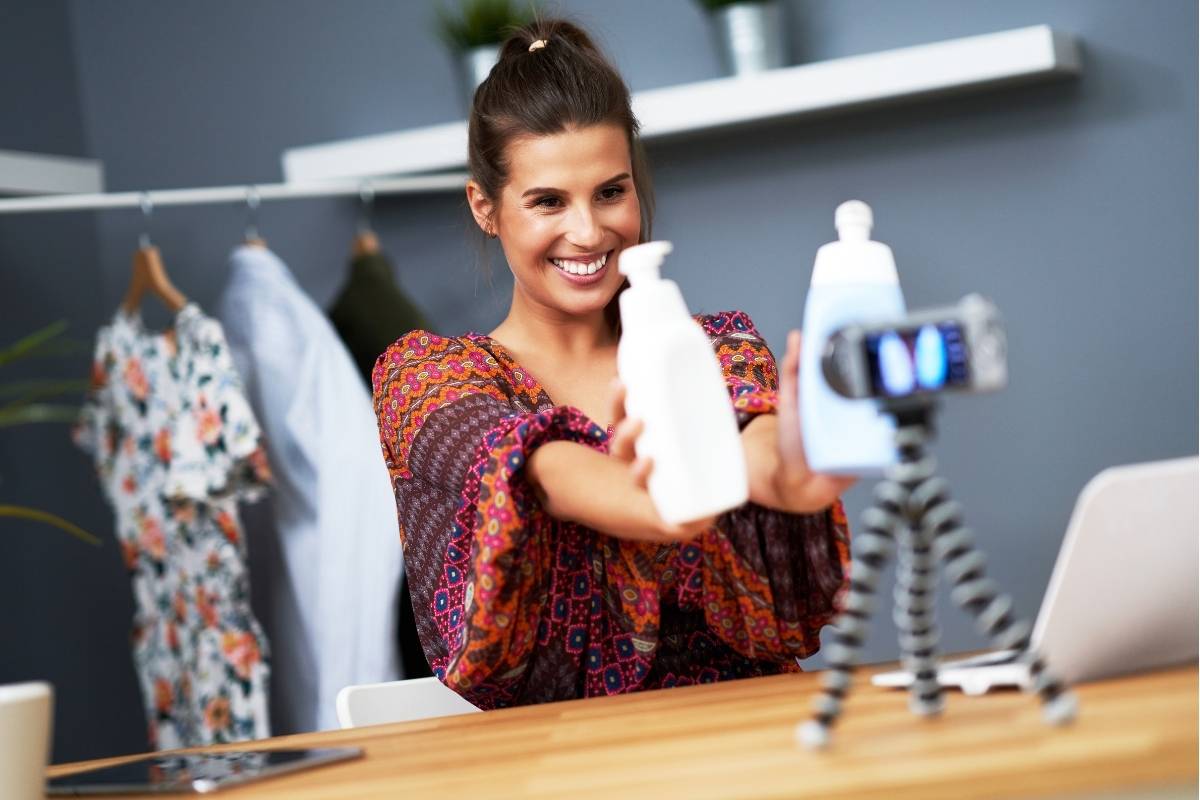
Jessica, an e-commerce marketing manager in Austin, just got her Meta ad report. Her once-winning UGC ads have tanked, her CPA doubled, and the creators she usually works with are now quoting higher rates and longer timelines. She needs 20 new concepts this week. She has budget for maybe 3.
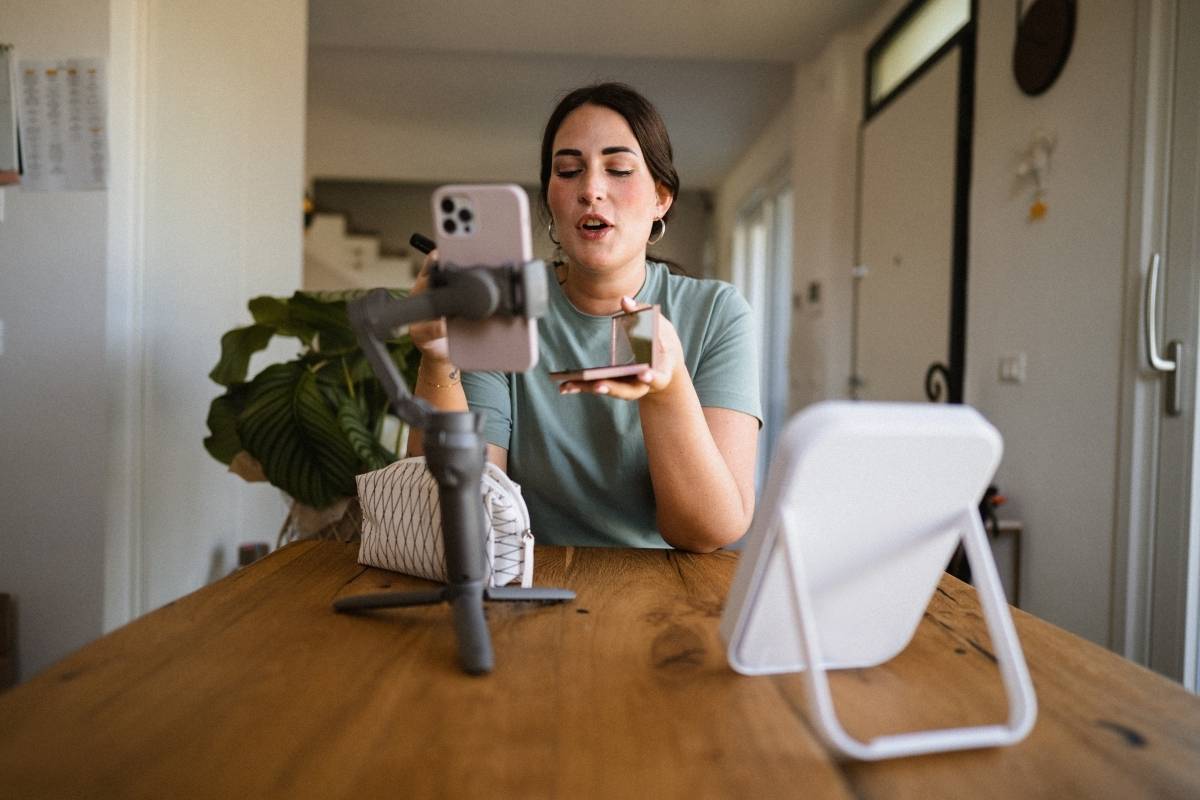
On the other side, Mark, a full-time content creator in LA, is burned out recording take after take for product reviews. Brands want endless variations and “one more tweak,” but his schedule and pricing can only stretch so far.
That tension between brands needing infinite content and creators being human is exactly where AI-to-video is blowing the doors off the old model in the US market.
In Short:
- AI-to-video is turning scripts, product links, and ideas into ready-to-run short-form ads in minutes, not weeks.
- Brands can now scale creator-style videos without being limited by creator availability or production costs.
- Creators who adapt will earn more by owning concepts, prompts, and strategy instead of only trading time for videos.
- Platforms like ViralBox help you produce, test, and distribute High-Converting UGC Ads across multiple channels at scale.
UGC Ad Dos and Don’ts in the AI-to-Video Era
✅ DO
- ✅ Use clear 3-second hooks that speak to one problem or desire.
- ✅ Mix AI Avatar Video Generation with real UGC to keep feeds feeling authentic.
- ✅ Build a testing system, not one “perfect” video.
- ✅ Turn proven text reviews and emails into on-camera scripts.
- ✅ Repurpose winners with Multi-Platform Publishing instead of starting from scratch.
🚫 DON’T
- 🚫 Rely on one creator or one ad format for all your revenue.
- 🚫 Treat AI as “set and forget”. You still need real offers, hooks, and angles.
- 🚫 Use stiff, generic scripts that scream “template”.
- 🚫 Ignore performance data when planning your next batch of creatives.
- 🚫 Wait weeks for a new shoot when you can concept and launch overnight.
Listen up: the brands that win are not the ones with the fanciest production, they are the ones testing useful ideas the fastest.
Why AI-to-Video Is Flipping the Creator Economy
The old way is collapsing under its own weight
If you manage paid social in the US, you are already feeling it:
- CPMs keep climbing while CTR lags.
- That “hero” UGC ad that crushed for 3 months now barely breaks even.
- Every brand in your niche is using the same style of TikTok-native videos.
On top of that, creator costs and timelines are rising. Negotiating rates, contracts, reshoots, and rights for every new concept kills speed. You might need 30 hooks to find one winner, but no creator wants to record 30 almost-identical intros for a flat fee.
The result is a bottleneck. Your ad account wants volume and variety. Your production pipeline delivers “a few great pieces” every month. That used to work. It does not anymore.
AI-to-video breaks the bottleneck
AI-to-video tools take what you already have, product pages, reviews, founder stories, bullets in a Google Doc, and turn them into short videos that look and feel like real people talking to camera.
Here is what that looks like in practice for a marketer or small e-commerce owner:
- You paste your product URL and get a Product Link to Video Ads concept set built around your offer and benefits.
- The system auto-generates multiple Authentic UGC Ad Scripts designed to sound like a real customer or creator.
- You pick a virtual spokesperson that matches your target demographic using AI Avatar Video Generation.
- You instantly spin up 10, 20, or 50 variations that differ by hook, angle, or call-to-action.
Instead of waiting 2 to 4 weeks for a creator batch, you can go from idea to testable video in an afternoon. That changes how you budget, how you test, and how you work with human creators.
What this means for creators
A lot of creators are scared of AI. Some of them should be. If your value is “I read whatever script a brand sends me,” that is exactly the part AI can now handle.
But here is the flip side. Brands are not buying pixels. They are buying the thinking behind the pixels. AI-to-video accelerates execution. That puts a premium on strategy, angles, and creativity.
Creators who treat AI as a production assistant will win. For example, a UGC creator can:
- Sell “concept packs” and scripts that brands run through AI avatars to produce dozens of versions.
- Use AI videos to pre-test hooks and angles before spending time filming polished content.
- License their likeness to select brands and earn from campaigns where they never physically show up on set.
The creator economy is shifting from “I film myself” to “I design systems and stories.” AI-to-video is the engine that runs those systems.
What this means for brands and agencies
For marketers, this shift is about control and speed. You no longer depend on a handful of creators with tight schedules. You build a content machine.
Imagine running weekly creative sprints like this:
- Monday, pull last week’s performance from Meta, TikTok, and YouTube.
- Identify winning hooks, top comments, and angles that resonated.
- Feed those insights into an AI system that generates 30 to 50 fresh video variations by Tuesday.
- Launch new tests by Wednesday and know your winners by Sunday.
That cadence is almost impossible if every new concept depends on custom shoots. With AI, it becomes your normal workflow.
Watch: How AI and UGC Are Colliding
How To Use AI-to-Video And ViralBox To Lower Costs And Scale UGC
Step 1: Turn what you already know into scripts
You do not have a “creative problem” as much as you have an extraction problem. The insights are already in your:
- Customer reviews.
- Support tickets and refund reasons.
- Sales calls and founder stories.
- Competitors’ comment sections.
Feed those into Ad Script Generation
- “I was honestly skeptical because I have tried every supplement for energy and nothing stuck…”
- “If you hate ironing but still want to look put together, you need to see this.”
- “I did the math, and this swapped out three products I was using before.”
Want to know a secret? The difference between a 1 percent CTR and a 3 percent CTR is often just the first three seconds. That is why you should generate many hooks for the same body script and let data decide the winner.
Step 2: Use AI avatars to stress-test your angles
Creating new content is expensive. Testing ideas should not be. With Virtual Spokespersons, you can test:
- Different demographics and vibes, “busy mom in Texas”, “college student in New York”, “fitness coach” style delivery.
- Tonal shifts, calm and educational versus fast and hypey.
- Angles like “save time”, “save money”, “feel better”, “look better”.
This is not about replacing every human face in your brand. It is about using AI as your test lab so that when you bring in real creators, you already know what angle pays.
Step 3: Use one-click product integration instead of big shoots
Big shoots are fun, but that is not where your profit comes from. Your profit comes from boring, repeatable systems that turn a product page into 20 different hooks and demos.
With a One-Click Product Video
- Talks through benefits while your product appears on screen.
- Simulates an unboxing sequence.
- Calls out specific features pulled from your product description.
That is how small teams start to look like full creative studios without the overhead.
Step 4: Make hooks, not “ads”
Most brands think in terms of ads. Smart brands think in terms of hooks. One winning script can support a stack of top-of-funnel variants if you change only the first line or visual.
Use A/B Testing Content HooksHook Optimization
- Problem-first hooks, “If your skincare routine is taking more than 5 minutes, watch this.”
- Outcome-first hooks, “My skin cleared in 14 days using this.”
- Pattern interrupts, “This might be the worst way to start your morning…”
Run 10 versions. Kill 8. Scale 2. Repeat weekly. That is how you stack reliable winners and keep ad fatigue low.
Step 5: Win by distribution, not just creation
Content that only lives in Ads Manager is leaving money on the table. The same video concepts can often pull weight across:
- Organic TikTok.
- Instagram Reels and Stories.
- YouTube Shorts.
- Landing pages and post-purchase upsell flows.
Using Content Distribution at ScaleMulti-Platform Publishing
The point is not to post everywhere randomly. The point is to take what is already proven in ads and give it more surface area across your ecosystem.
Unlock Your Conversion Potential. Try ViralBox Today!
Your Move: Stop Guessing, Start Scaling
The creator economy is not disappearing. It is maturing. Human creativity sets the direction. AI-to-video increases the volume.
If you run ads for a US brand, your real competitor is not another store. It is the team that can test 5 times more hooks than you for the same budget and time. They will find angles you never see. They will outbid you while staying profitable.
You do not need a massive team for that. You need a simple system, smart prompts, and tools that turn ideas into shippable videos fast.
If you have been feeling stuck, burned out on briefs and reshoots, or anxious about rising CPAs, take that as a signal. This is the perfect moment to rebuild your creative workflow around speed and insight, not guesswork and hope.
Start small. Turn a single product page into 10 AI-driven UGC-style videos. Launch them. Watch what happens. Then scale what works.
Frequently Asked Questions (FAQ)
Will AI-to-video replace real human creators?
No. AI will replace repetitive, low-margin tasks, not creative thinking. Human creators who focus on concepts, storytelling, and brand strategy will become more valuable, because AI-to-video lets them execute more of their ideas faster. The brands that win will usually blend AI videos with real creator content instead of choosing one or the other.
Can AI avatar videos actually perform as well as “real” UGC?
In many US accounts, AI avatar videos match or beat standard UGC for top-of-funnel testing, especially when hooks and offers are strong. That said, feeds are crowded, so the best results often come from using AI avatars to test many angles, then re-recording the top winners with human creators or blending AI and real footage in the same campaign.
Is this only for big agencies, or can small businesses use it too?
Small e-commerce brands often see the biggest gains, because AI-to-video removes the need for big production budgets and complex creator management. A solo founder or lean team can behave like a full creative studio, rapidly launching and testing multiple ad concepts each week without hiring in-house editors or videographers.
How many video variations should I test at once?
As a baseline, aim for 5 to 10 variations per core concept. Keep the main body of the script similar and change only the hook, angle, or call-to-action so you know what is truly driving performance. As you get more comfortable with AI-to-video tools, you can scale that to dozens of variations while still staying organized.
Will AI-made videos hurt my brand’s authenticity?
They can, if you use them carelessly. The key is to write scripts from real customer language and reviews, match your brand voice, and avoid stiff or over-polished delivery. Use AI videos to expand, test, and support your story, not to fake experiences you do not actually deliver. When done right, customers care more about clarity and usefulness than whether every frame came from a traditional shoot.
Where should I use AI-generated videos first?
The easiest starting point is paid social ads on Meta, TikTok, and YouTube Shorts, since those platforms reward fast testing and iteration. Once you find winning creatives, you can repurpose them for organic content, landing pages, email sequences, and retargeting flows to squeeze more value from each successful concept.